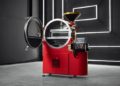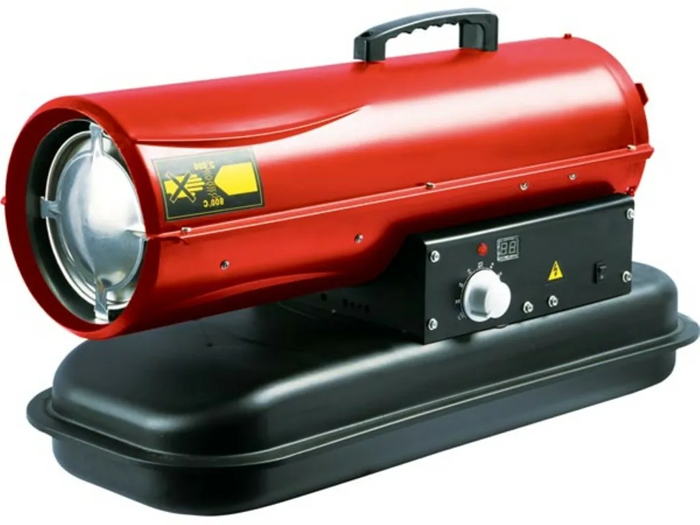
An inverter electronic liquid fuel heater is a modern space heating device that uses inverter technology for efficient power management. These heaters feature high energy efficiency, precise temperature control, and economical fuel consumption.
They are ideal for both home and commercial use, providing fast heating and stable operation. Learn more about the advantages, features, and potential malfunctions of inverter heaters on our manualmachine.com
Common problems include faulty electrical circuits, clogged fuel filters, worn heating elements, and inverter control failures. Proper and timely repairs will extend the life of the device and ensure its stable operation. This article discusses the causes of breakdowns, diagnostic methods, and repair tips, as well as how to properly care for these heaters to prevent potential malfunctions.
Inverter Liquid Fuel Heater: Basic Principles and Features
The basic concept of the device is the use of an inverter unit, which regulates the heating power depending on the current room requirements. This ensures smoother and more precise control of the heating regime, as well as reduces component wear and noise during operation.
Operating Principles and Design Features
An inverter liquid fuel heater operates by burning liquid fuel in a special chamber, then transferring the heat to the room through a heat exchanger. The main element is the inverter unit, which controls the operation of pumps, fans, and the combustion module, regulating their operation in real time. This ensures stable operation and minimal temperature fluctuations.
The unit includes components such as a fuel pump, spark plug, heat exchanger, air circulation fan, and an electronic control unit. All elements are interconnected and controlled by a microprocessor, allowing for automatic maintenance of the set temperature and power adjustments based on operating conditions. Their compact size and high efficiency make these heaters popular in both residential and commercial settings.
Recommendations for self-diagnosis and troubleshooting
Regular maintenance and careful attention to the condition of your inverter liquid fuel heater will significantly reduce the risk of breakdowns and improve its efficiency. Understanding the main signs of a malfunction will allow you to promptly identify and resolve the problem, preventing more serious damage and the need for complex repairs.
Before beginning any DIY work, we recommend that you read the manufacturer’s instructions and follow safety precautions to avoid injury and equipment damage.
Basic Tips for Troubleshooting and Preventing Troubleshooting
- Check the Fuel Level and Fuel Quality: Regularly inspect for fuel and use only the manufacturer’s recommended liquid fuel type.
- Check the Power Supply: Ensure the electrical network is working properly, use a voltage stabilizer if necessary, and avoid voltage surges.
- Keep Filters and Nozzles Clean: Regularly clean or replace filters to prevent clogs and system malfunctions.
- Check the Condition of Electrodes and Sensors: Inspect them for dirt, damage, and, if necessary, repair them. Replace.
- Pay attention to odors and noises. Unusual sounds or odors may indicate a malfunction and require immediate inspection.
Practical Tips for Self-Diagnosis
- Inspect the exterior of the unit for damage and fuel leaks.
- Check the electrical system, connections, and cable integrity.
- Start the heater and observe its behavior: presence of sparks, stable ignition, and uniform heating.
- Check the control indicators and instruments on the unit’s panel.
- Pay attention to possible error signals or code messages displayed on the display.
Self-diagnosing inverter liquid fuel heaters requires attentiveness and knowledge of their basic operating principles. Following simple preventative maintenance recommendations and performing timely maintenance will help extend the life of your equipment, reduce the risk of breakdowns, and maintain its efficiency. If complex problems arise, we recommend not attempting repairs yourself—consult a specialist for professional diagnosis and troubleshooting.