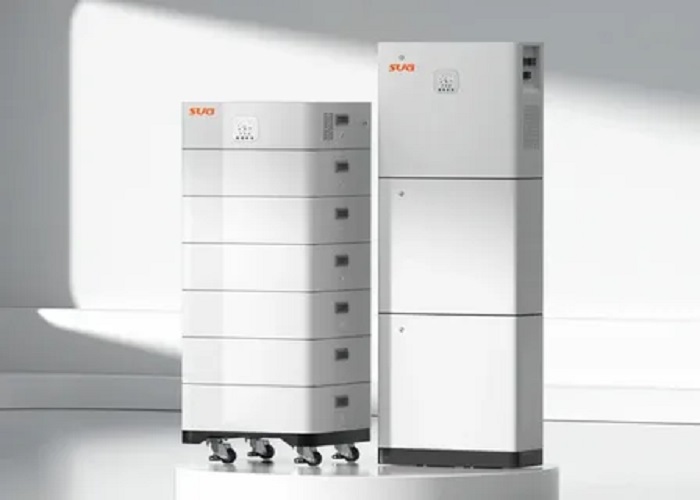
Energy storage used to feel like a puzzle: battery here, inverter there, charge controller somewhere else, and a monitoring app trying to make sense of it all. That still works in many projects. But for homeowners and installers who want fewer moving parts, the all-in-one ESS has become a serious option.
What “All-in-One ESS” Actually Means
An ESS, or energy storage system, stores electricity for later use. In a solar home, that usually means saving daytime solar production for nighttime use, backup power, or rate optimization.
An all-in-one ESS brings major parts of that system into one package. Depending on the model, it may combine a battery, hybrid inverter, battery management system, and energy controls. The point is not that every project becomes plug-and-play. Electrical work still needs proper design, permitting, and installation. The point is that the core components are engineered as one coordinated system.
Why Some Buyers Like Integrated Systems
The biggest appeal is simplicity. A separate-component system may offer flexibility, but it also requires matching brands, communication protocols, voltage ranges, firmware behavior, and monitoring platforms.
An all-in-one approach can reduce that friction. It may also make the installation neater, especially in garages, utility rooms, or exterior spaces where equipment layout matters. For a homeowner, the difference may show up as fewer boxes on the wall and one app that shows solar generation, battery state, and household consumption.
ESYsunhome’s product lineup includes residential all-in-one ESS models such as HM5, HM6, HM10, and HM12, with battery configurations listed from 5-30 kWh depending on model. The broader ESYsunhome page also groups residential storage, C&I storage, and EV charging options in one place.
Where Separate Systems Still Make Sense
Separate batteries and inverters are not outdated. They can be useful when a project has unusual design requirements, an existing inverter, a preferred battery brand, or a phased expansion plan. DIY-focused solar forums often point out that separate systems can offer more control for experienced users.
The tradeoff is coordination. If a homeowner wants to mix components, someone has to confirm compatibility. That includes power rating, surge support, battery chemistry, communication, safety certifications, and service support.
A Fair Comparison
A practical comparison looks less like “which is best?” and more like “which fits the project?”
| Factor | All-in-one ESS | Separate system |
|---|---|---|
| Installation layout | Usually cleaner | More flexible |
| Component matching | Pre-coordinated | Must be designed |
| Expansion | Model-dependent | Often flexible |
| Monitoring | Usually unified | Can be fragmented |
According to NREL, storage economics and resilience depend on system design, dispatch strategy, and load priorities. That means the box itself is only part of the answer.
The Better Choice Depends on the User
For a homeowner who wants solar storage, backup, and monitoring without building a custom system from scratch, an all-in-one ESS can be a practical path. For a technical owner or unusual site, separate components may still be the better fit.
The best first step is to define the loads, backup goals, and installation constraints before choosing the equipment architecture.